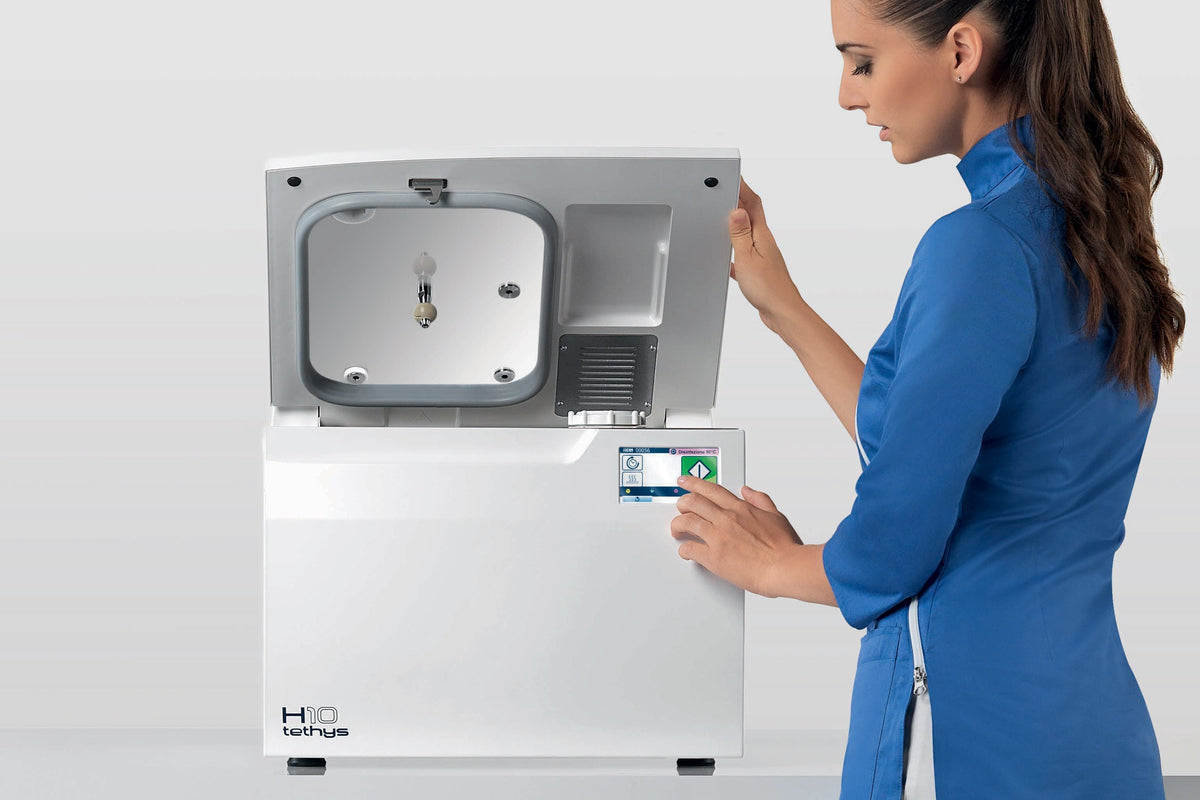
When considering equipment such as the Tethys H10 for cleaning, thermal disinfection and drying of reusable medical devices (RMDs), my focus as an infection prevention and control consultant is on the principles of safe, effective and reproducible reprocessing.
Automated, validated cleaning and thermal disinfection can offer significant advantages over traditional manual and ultrasonic cleaning processes. Importantly, it can reduce staff handling of contaminated instruments and therefore potential exposure to blood, body fluids and sharps injuries. A controlled automated process can also improve consistency and reproducibility, while appropriate cleaning methods help maintain instruments in good condition.
For office-based practices considering this type of technology, my key practical tips are:
• Ensure the equipment and selected cycle are suitable for the RMDs being reprocessed and compatible with the device manufacturers’ instructions.
• Follow the equipment manufacturer’s instructions for use, including requirements for loading, cleaning agents, routine testing where relevant and monitoring.
• Ensure installation, commissioning, validation, servicing and maintenance requirements are understood and documented.
• Train staff in correct operation, loading and process monitoring—automation does not remove the need for knowledgeable, competent staff.
Ultimately, effective reprocessing is about achieving a safe, validated and reproducible process that supports the requirements and principles of AS/NZS 5369:2023.
Megan Reilly RN BN
Director / Infection Prevention Consultant